Sheer Brunette Without the Bleach: How Tokyo Colorists Build Light in 2026

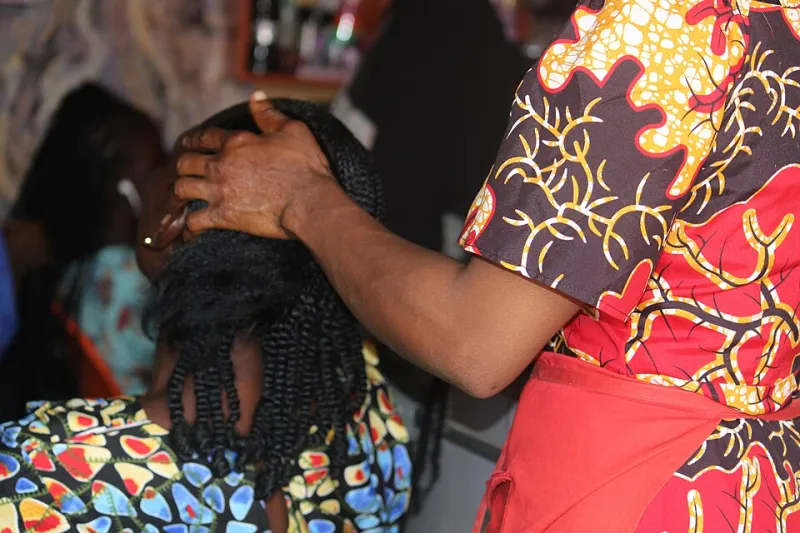
Photo: epSos.de, CC BY 2.0, via Wikimedia Commons
Brown hair has a reputation problem in the US: it is often treated as the sensible choice, the reset shade, the color you get when you are tired of maintenance. In Tokyo salons this year, brunette is not the sensible choice. It is the main event. The 2026 version is sheer, reflective, and deliberately understated—a see-through brunette that catches light without turning into a blonde approximation. The best part for US clients: much of the effect can be built without bleach.
What 'Transparency' Means in Hair Color
In Japanese color work, transparency is not a synonym for pale. It means light passes through the hair instead of sitting on top of it. A transparent brunette has depth—it is still brown—but the surface reflects light cleanly, so the color looks dimensional rather than painted on. Think of the difference between a flat wall and a glazed ceramic. Same color family, different finish.
That finish comes from tone, cuticle condition, and placement. Colorists use glosses, demi-permanent toner, and fine woven sections to create the illusion of lift. The goal is not to strip pigment; it is to adjust the way the existing pigment reads.
Why Bleach Is Not the Default
Bleach is a tool, not a personality. In Tokyo, many colorists avoid full-lightening for brunette clients because the risk-to-reward ratio is poor: you can lose shine, create brass, and commit the client to a high-maintenance regrowth schedule. Instead, they lean on gloss to add reflect, toner to neutralize unwanted warmth, and placement to create movement around the face.
For US clients, the practical translation is this: ask for a no-bleach or low-bleach approach, but stay open. If your hair is very dark or heavily previously colored, a colorist may need a small amount of lift to get the tone right. The point is not to ban bleach. The point is to make it a deliberate choice rather than the default.
Who Sheer Brunette Suits
This look is most forgiving on medium brown to dark brown hair, especially fine-to-medium textures that need shine more than volume. It also works well for clients who want to soften a grown-out highlight or blend gray without going fully opaque.
It is less straightforward on very dark hair if you want a visible change; the transparency will read as sheen rather than a lighter shade. It is also not a repair treatment. If your hair is already compromised, a gloss can add temporary shine, but it will not rebuild the cuticle.
How to Ask for It in a US Salon
Bring photos, but bring the right ones. Look for brunette references shot in daylight, not studio lighting. Then use language that describes the finish, not just the shade. Try: 'I want a sheer, reflective brunette with no visible regrowth line. I would like to avoid bleach if possible, and I am open to gloss, toner, and face-framing placement.'
Ask three questions before the color starts: Is this a gloss, a demi, or a permanent color? How will it fade? What is the maintenance schedule? A good colorist will explain the difference without making you feel like you are in chemistry class.
The Placement Map
The 2026 Tokyo version is subtle. Instead of heavy balayage or high-contrast money pieces, colorists are placing lightness where the hair naturally moves: around the face, through the inner layers, and at the ends. The result is a halo of reflection rather than stripes. If you want the effect to survive a ponytail, ask for a few fine ribbons near the front. If you want low maintenance, keep the placement away from the root.
Maintenance in Real Life
A sheer brunette is not a wash-and-forget color, but it is kinder than full bleach. Expect a gloss or toner refresh every six to eight weeks, depending on how often you wash and how much sun your hair sees. Use a color-safe shampoo, do not over-cleanse the ends, and keep heat protectant in the rotation. If you have hard water at home, a filter can help protect the finish; US tap water varies a lot, and mineral buildup can dull the reflection you paid for.
At-home glosses can stretch the time between appointments, but they are not a substitute for a professional toner. Think of them as maintenance, not repair.
The Honest Limits
This trend will not turn dark brown hair into caramel without some lift, and it will not make damaged hair healthy. It fades. It can go warm if your hair pulls red, and it needs a colorist who understands tone rather than just applying a single formula. The reward is a brunette that looks expensive in daylight and natural in a Zoom call—polished, not obvious. That is the 2026 mood: less shock, more shine.