Your Part Is a Clue, Not a Habit: A Home Audit for Cowlicks, Crowns, and Fading Root Color
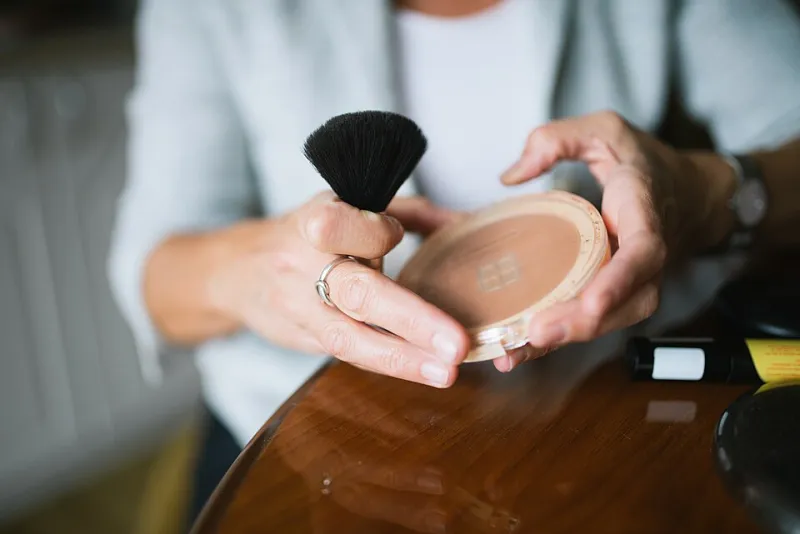
Photo: Shixart1985, CC BY 2.0, via Wikimedia Commons
The part line is doing more than you think
Most of us pick a part in high school and never revisit it. Japanese stylists tend to treat that line as a clue. It shows where the hair wants to fall, where the crown swirls, where the scalp is most visible, and how harsh a grown-out root looks against the face. A one-centimeter shift is not a dramatic makeover. It is a small adjustment that can solve three quiet problems at once: a cowlick that keeps lifting, a crown that looks flat, and root color that seems to announce itself two weeks too early. The trick is knowing what to look for before you move the line.
Why a centimeter matters
Hair grows from follicles with a direction. When you part along a natural separation, the hair lies down more easily. When you part against it, the roots push up and the scalp shows more. That is why a cowlick near the front hairline can look dramatic on one side and disappear on the other. The crown works the same way. A part that runs too close to the swirl can flatten the top or create a visible gap. And for color, the part line is the most exposed section of your root. A straight, high-contrast part puts the regrowth on display. A slightly off-center or softly zigzagged part diffuses that line and buys you a little time.
The five-minute home audit
Start with dry hair, no styling product, and a comb. Look at your part in daylight, not in the yellow light of a bathroom. Find your natural crown swirl by feeling for the spot where the hair changes direction. Then try three versions: your current part, one centimeter to the left, and one centimeter to the right. Do not flip your whole head of hair violently. Just comb the section into place and look. Check the front hairline, the crown, and the root color in a hand mirror. Take a photo of each version from the front and from above. The best part is not always the one that looks most polished in the mirror. It is the one that behaves when you move your head, put on glasses, or pull your hair back.
What each problem is telling you
A cowlick near the front usually means the part is sitting too close to the direction of growth. Shift the line a centimeter away and see if the root calms down. A flat crown often means the part is running through the heaviest section of hair. Moving it slightly off-center can redistribute weight and create lift without teasing. Grown-out color is a visibility issue. If your root shadow looks severe, try a part that is less straight or slightly lower. You are not hiding the regrowth; you are breaking up the line so the eye has less to follow. If you have a strong natural swirl, do not fight it with a deep side part. Work with the direction and let the cut do the rest.
What to tell your stylist
Bring your findings to the chair. Say where your part normally sits, which side you tested, and what happened. A stylist can use that information for the cut and the color. If you are booking a root touch-up, ask whether a different part line could make the regrowth less obvious. If you are booking a cut, mention the cowlick or crown issue and show the photo. Also tell them how you wear your hair most days: ponytail, glasses, headband, side sleep. A part that looks great loose can fall apart in a gym ponytail. A good Japanese-trained stylist will check the part against your growth pattern, not just your face shape.
The part you have never tried
The right part is often the one you have never given a full week. Test a new line for seven days before you decide. Use clips at home, not a permanent change at the salon. Keep the shift small, usually one centimeter to one and a half centimeters. If your scalp feels tender or the hair refuses to lie down after a few washes, the line is probably too aggressive. If it feels easy by day three and your root color looks softer in photos, you have found a keeper. A part-line audit is not a trend. It is maintenance, and it is one of the cheapest adjustments you can make between salon visits.